Delivery Models, Team Structures, and Execution Methods
Every business needs a different operating model. This page explains how we structure engagements, how teams can work with you, and how waterfall and agile methodologies fit different project realities.
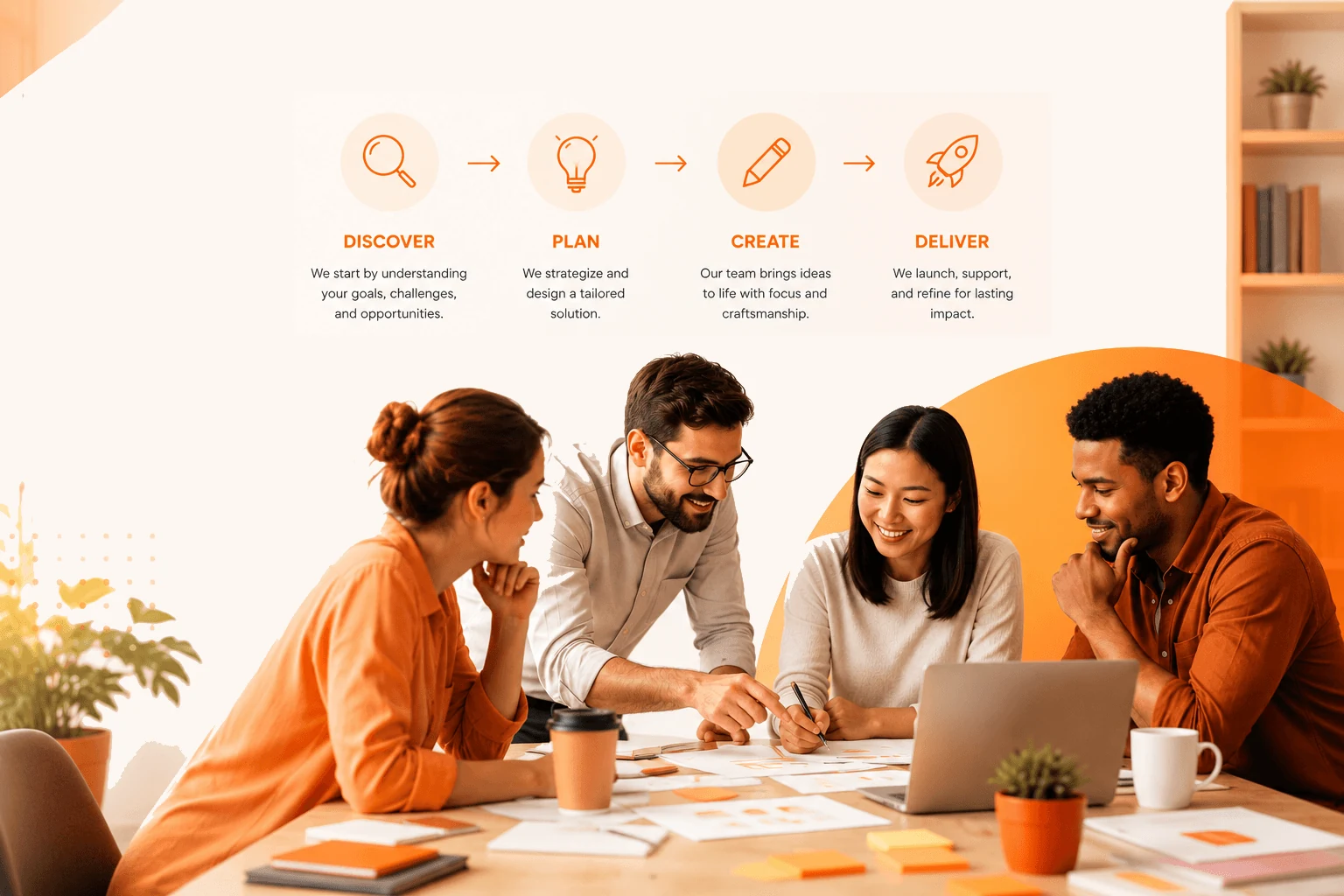
Choose The Right Working Model
Fixed Cost Project
Best when scope, milestones, and deliverables are clearly defined before execution begins.
Dedicated Team
A focused team works as an extension of your business for long-term or evolving product work.
Hourly Development
Useful for iterative improvements, support tasks, bug fixing, and quick feature requests.
Consultation
For discovery, planning, architecture decisions, audits, and expert guidance before or during execution.
Team Augmentation
If applicable, we can plug specialists into your existing team to accelerate delivery without rebuilding your structure.
Retainer Support
A steady delivery and support model for teams that need continuous technical input, improvements, and operational reliability.
Delivery Can Be Remote, On-Site, or Hybrid
Remote Team
A distributed setup with structured communication, clear reporting, and timezone-aware collaboration.
On-Site Team
Suitable when project coordination, stakeholder workshops, or operational proximity matter more than location flexibility.
Hybrid Team
A blended model that combines remote efficiency with periodic in-person workshops, reviews, or deployment support.
Waterfall And Agile: When Each One Makes Sense
Waterfall works best when scope is stable and approvals are sequential. Agile is more effective when priorities evolve, feedback matters early, and the product benefits from iterative learning.
Fixed scope, sequential sign-offs, enterprise governance, compliance-heavy delivery, and well-defined implementation windows.
Evolving products, feedback-driven roadmaps, continuous improvement, digital transformation, and fast-moving custom builds.
Waterfall Methodology
Waterfall is a linear delivery model where the project moves through defined phases one after another. It is especially useful for fixed-scope projects, compliance-heavy work, or initiatives that require formal approvals before moving forward.
Requirements
Document business goals, scope, technical needs, and success criteria in detail.
Planning
Create timelines, responsibilities, architecture decisions, and approval checkpoints.
Build
Execute based on the approved plan with controlled change management.
Testing
Validate quality, performance, workflows, and acceptance criteria before release.
Launch
Deploy the finished solution once the full system is reviewed and signed off.
Agile Methodology
Agile is an iterative approach where work is delivered in shorter cycles, feedback is incorporated continuously, and priorities can adapt over time. It works well for evolving products, custom platforms, and digital transformation initiatives.
Backlog
Prioritize features, business needs, and technical improvements into a working roadmap.
Sprint Plan
Select focused work for the next cycle based on value, urgency, and capacity.
Iterate
Design, build, test, and refine in short execution loops with regular visibility.
Review
Share progress, gather feedback, and adjust the roadmap based on real outcomes.
Improve
Carry insights into the next sprint so the product keeps evolving intelligently.
A Clear Delivery Journey
Whether the model is fixed-cost, agile, hybrid, or team augmentation, our process aims to create visibility, reduce uncertainty, and keep execution aligned with business outcomes.
Discovery
Understand the business context, users, blockers, and delivery expectations.
Solution Design
Define the right model, team shape, methodology, architecture, and milestones.
Execution
Move into structured development with communication, tracking, and quality control.
Review & Release
Test, refine, launch, and hand over with support plans aligned to real use.
Now Let's Build It!
From engagement planning and workflow design to development and launch, we shape delivery models that fit the way your business actually works.
Talk to our team